
Locks That Operate Correctly Every Day
Lock Installation and Repair in Wichita Falls for doors with damaged, worn, or malfunctioning hardware affecting security and daily access
Proper lock operation supports both security and the simple ability to enter and exit your property without frustration, yet locks fail when internal components wear, when doors shift out of alignment, or when hardware was never suited to the door's material and usage level from the start. Duncan's Commercial Lock LLC installs and repairs locks for residential and commercial properties throughout Wichita Falls where owners face sticking cylinders, keys that no longer turn fully, or latches that refuse to engage no matter how the door is positioned. North Texas properties endure temperature extremes and daily use patterns that stress door hardware, and the service addresses failures that develop gradually as well as those caused by sudden damage or forced entry attempts.
Lock installation and repair involves removing damaged locksets, evaluating door and frame condition, selecting hardware appropriate to the door type and traffic level, and installing components so that keys turn smoothly and latches engage without requiring force. Repair focuses on replacing worn pins, adjusting strike alignment, tightening loose mounting, and lubricating mechanisms that have dried out, while installation addresses situations where existing hardware cannot be salvaged or where security requirements demand upgraded components.
Arrange an inspection to determine whether your locks require repair or complete replacement.
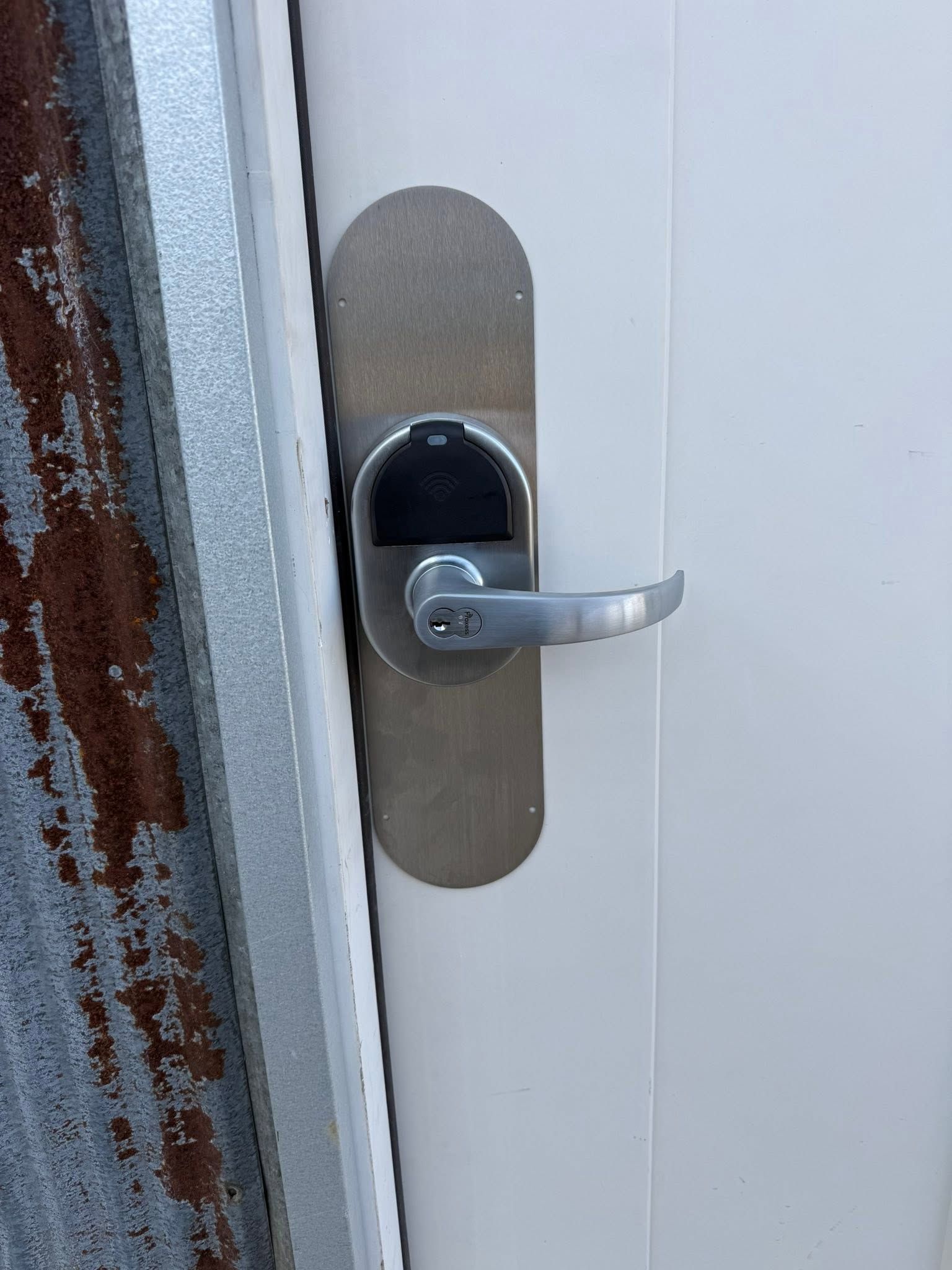
What Changes After Lock Work Completes
The process begins with diagnosing why the lock fails, which may involve testing key operation, checking whether the bolt extends and retracts without binding, inspecting internal pins for uneven wear, and determining whether door settling or frame movement has created misalignment that prevents the latch from seating. Installation work includes drilling and chiseling to proper depth, setting the lockset so it sits flush and stable, positioning the strike so the bolt enters cleanly, and verifying that all components operate smoothly before the door is returned to service. Repair work focuses on replacing only the components that have failed while preserving functional parts of the existing system.
After lock installation or repair, you turn your key through the full rotation without resistance, the deadbolt slides into the strike without catching, and the door latches securely each time you close it without needing to lift, push, or adjust its position. Locks that previously required two hands or multiple attempts now operate with normal effort, and you stop worrying whether the door actually locked when you left. The hardware holds the door securely closed and prevents the latch from being bypassed through techniques that exploit loose or misaligned components.
Lock installation and repair also includes situations where doors have been damaged during break-in attempts, where hardware has loosened to the point that the lockset pulls away from the door, or where environmental exposure has corroded components beyond adjustment. The decision between repair and replacement depends on the extent of internal wear, whether the existing lock meets current security needs, and whether the door and frame can support upgraded hardware without reinforcement. Choosing the correct approach prevents repeat failures and ensures that daily operation remains consistent over time.
Answers to Frequent Service Questions
Property owners often ask about compatibility, timing, and how to recognize when locks have deteriorated past the point of simple adjustment.
What does lock repair involve compared to full replacement?
Repair involves replacing worn pins, springs, or cylinders within the existing lockset, adjusting strike position, and tightening mounting hardware, while replacement removes the entire lock assembly and installs a new unit, which becomes necessary when internal damage is extensive or when the lock no longer meets security requirements.
How long does lock installation typically take per door?
Installation duration depends on whether the door is pre-drilled, whether the new lock matches existing bore size, and whether frame reinforcement or strike adjustment is required, but most single-door installations complete within an hour once the correct hardware has been selected.
When should I replace locks rather than repair them?
Replacement makes sense when cylinders have worn to the point that keys no longer operate smoothly even after lubrication, when locksets were damaged during forced entry, when you need to upgrade to higher-security components, or when the existing hardware was never appropriate for the door's exposure or usage level.
Why do locks on frequently used doors fail faster in Wichita Falls?
High daily traffic increases the number of locking cycles, while exposure to heat on south- and west-facing doors dries lubricants and expands metal components unevenly, both of which accelerate wear on internal pins, springs, and the mechanisms that control bolt extension and retraction.
What should I check before scheduling lock installation or repair?
Identify which doors currently malfunction, note whether keys turn with difficulty or not at all, check if latches fail to engage even when the door is positioned carefully, and determine whether you need locks keyed to match other doors or separately for access control.
Duncan's Commercial Lock LLC handles lock installation and repair for Wichita Falls-area properties where hardware no longer operates reliably. Call (940) 636-2004 to schedule inspection, repair, or replacement for locks that have failed or degraded.