Closers Adjusted for Controlled Operation
Door Closer Maintenance in Wichita Falls for commercial doors closing too quickly, too slowly, or failing to latch reliably
Commercial doors equipped with hydraulic closers develop operating problems when internal fluid viscosity changes, adjustment screws shift from their settings, or mounting hardware loosens over time. Duncan's Commercial Lock LLC provides door closer maintenance for frequently used business entrances across Wichita Falls and the surrounding North Texas region. Your closer may swing the door shut too rapidly, creating a safety hazard for customers entering or exiting, or it may close too slowly, leaving the door standing open and compromising climate control or security. Doors that fail to latch completely after closing indicate adjustment drift, worn internal components, or closer arms that no longer align with the door's weight and swing pattern.
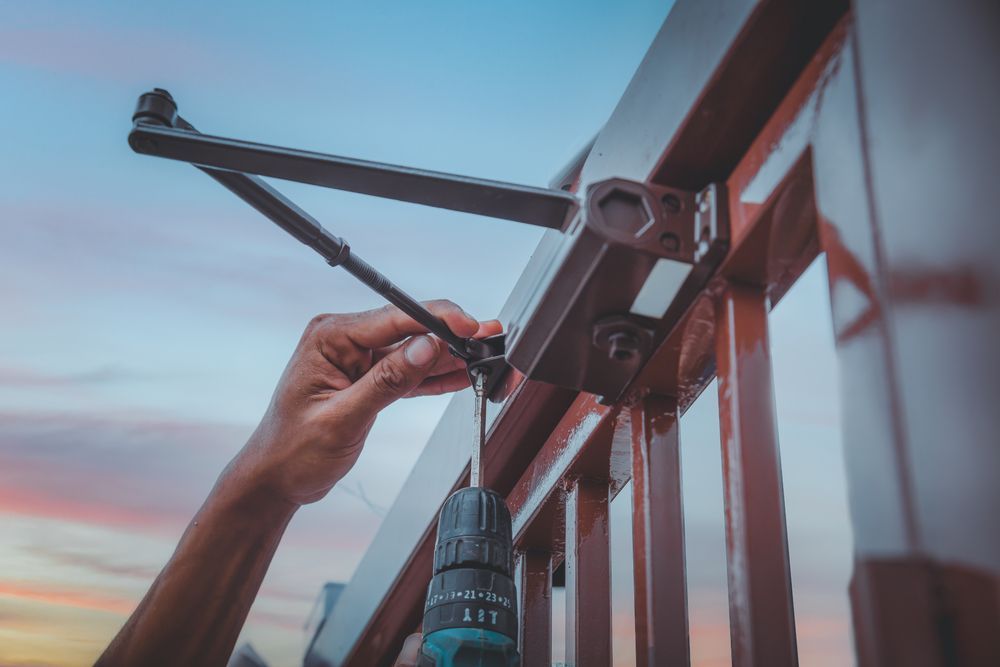
Closer maintenance involves inspecting the closer body, adjustment valves, mounting brackets, and arm linkage to identify what's causing the operating problem. Hydraulic closers use internal valves to control closing speed and latching force, and those valves require precise adjustment to match the door's weight, hinge friction, and environmental conditions. Some operating issues resolve through valve adjustment, while others require replacing worn internal seals, refilling hydraulic fluid, or installing a replacement closer when internal components have exceeded their service life.
Request closer inspection and maintenance from Duncan's Commercial Lock LLC to restore controlled door operation at your business location.
What Proper Closer Adjustment Requires
Closers operate through adjustable valves that regulate sweep speed, latching speed, and backcheck force, with each setting affecting a different phase of the door's closing cycle. Sweep speed controls how quickly the door moves through most of its arc, latching speed governs the final push that engages the strike, and backcheck prevents the door from slamming open when pushed aggressively. These adjustments interact, so changing one setting often requires recalibrating the others to maintain smooth, complete operation.
After maintenance and adjustment, the door swings shut at a controlled pace that allows safe passage, decelerates smoothly before engaging the latch, and pulls the door firmly into the frame without slamming. You no longer see the door hanging open after someone passes through, and the latch bolt engages the strike plate reliably on every closing cycle. Employees and customers move through the entrance without needing to manually close or secure the door behind them.
Closer maintenance does not address underlying door problems such as hinge wear, frame misalignment, warped door slabs, or strike plates mounted in incorrect positions. Those conditions prevent proper closer function regardless of adjustment and require separate correction before the closer can operate as intended. Temperature extremes common in Wichita Falls also affect hydraulic fluid viscosity, causing closers to behave differently in summer heat versus winter cold, and adjustment may need seasonal recalibration for consistent performance.
Common Questions About This Service
Property managers and business owners throughout Wichita Falls, Vernon, Bowie, and surrounding communities frequently ask about closer operation and maintenance expectations.
What causes a door closer to suddenly stop working properly?
Internal seals wear out, hydraulic fluid leaks from loose fittings, adjustment screws vibrate out of position, or mounting brackets loosen from repeated door cycles, all of which alter the closer's ability to control door movement.
How often should commercial door closers be inspected?
High-traffic entrances benefit from inspection every six months, while moderate-use doors can typically go twelve months between service checks, depending on usage frequency and environmental exposure.
Why does my closer work differently in summer versus winter?
Hydraulic fluid inside the closer thickens in cold weather and thins in heat, changing the closing speed and latching force unless adjustments compensate for seasonal temperature swings common in North Texas.
What's the difference between adjusting a closer and replacing it?
Adjustment corrects valve settings and tightens mounting hardware when internal components still function properly, while replacement becomes necessary when seals fail, the closer body cracks, or internal valves no longer hold their settings.
How do I know if the problem is the closer or the door itself?
If the door binds during manual operation, drags against the frame, or requires force to close without the closer engaged, the problem lies with the door, hinges, or frame alignment rather than closer adjustment.
Duncan's Commercial Lock LLC inspects and maintains door closers for commercial properties across the Wichita Falls area, addressing operating problems and adjusting closers to match door conditions. Call (940) 636-2004 to schedule closer inspection and maintenance for your business entrance.